Visualizing the D365FO data model can be a challenge. This Visual Studio extension will help.
Entity Relationship Diagrams

Dynamics 365 Finance and Operations
WAYWO Enterprise Solutions
Visualizing the D365FO data model can be a challenge. This Visual Studio extension will help.

The term SOLID is a mnemonic acronym for the five design principles intended to make software designs more understandable, flexible and maintainable. That's great, but how do we achieve this in D365FO?

If you are looking to move your development career towards D365FO, or if you are already a seasoned Dynamics AX developer and want to cross train, read this article to understand how to create your own development environment and the steps to follow towards certification.

This article explains how we recently configured a D365 FSCM v10.0.43 VHD as a Commerce development environment. We used the excellent LinkedIn post, PowerShell script and video by Valery Plotnik as a starting point. BackgroundFirst stepsGet ready to install the Commerce Scale Unit (CSU) and Store Point of Sale (POS)Install the Commerce Scale Unit (CSU)... Continue Reading →

It's possible to create a transaction-less test environment as a copy of production using the new unified environments. You reduce your storage footprint by removing transaction data. For interest, this can also be achieved directly through SQL using a script generated by the following X++ runnable class: internal final class RunnableClass1 { public static void... Continue Reading →

LCS and RCS configuration repositories are no longer available. This article might help you with the Dataverse repository.

A collection of SQL scripts that come in useful from time to time!

This article is going to compile the various day to day technical issues handled by our team.

This article introduces the data model behind a number of commonly used features.

How to use ER functions

How to use SQL to add users to a sandbox or development environment.

How can we navigate directly to an entity in D365FO without using a secure deep link?

Detailed explanations of the compilation warnings you can expect to see from a build.
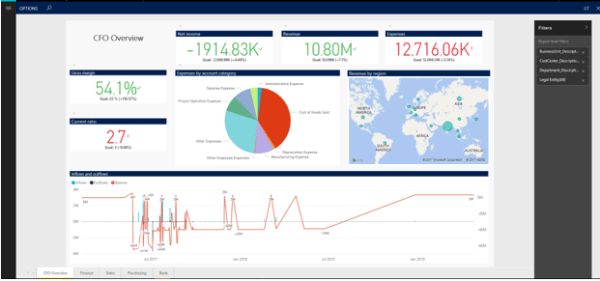
If the QuerySystemError is seen when opening the CFO Overview, or any other Power BI dashboard, it's probably because the Entity Store refresh isn't working correctly. To resolve this, navigate to >> System administration > Setup > Entity Store and make sure "Automatic refresh enabled" is switched to Yes. This will schedule a new "Full... Continue Reading →

What to do if xppbp can't find best practice extensions.
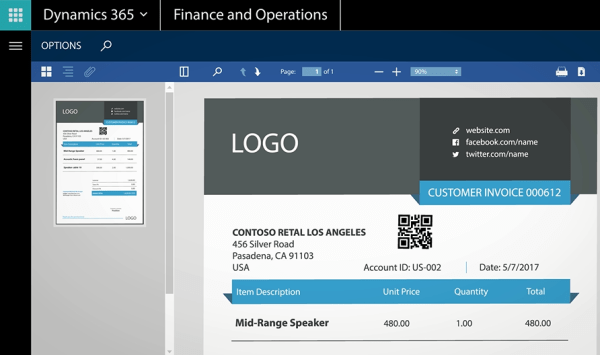
There are various strategies for testing the content of reports using automation. In this article we look at how we can render an SSRS report in memory and then query an XML representation of its content using X++.

A collection of X++ gists for those occasions when the help pages don’t cut to the chase!

Headless automated tests are all the rage. This article will discuss a strategy for keeping your tests simple and maintainable by adopting a well known design pattern to abstract away from the Type Provider framework.

Managing version control and the build/release pipelines for AX2012 projects can be a challenge. This article will provide some pragmatic guidance on where to start and how far to go.
 Dynamics 365 Finance and Operations